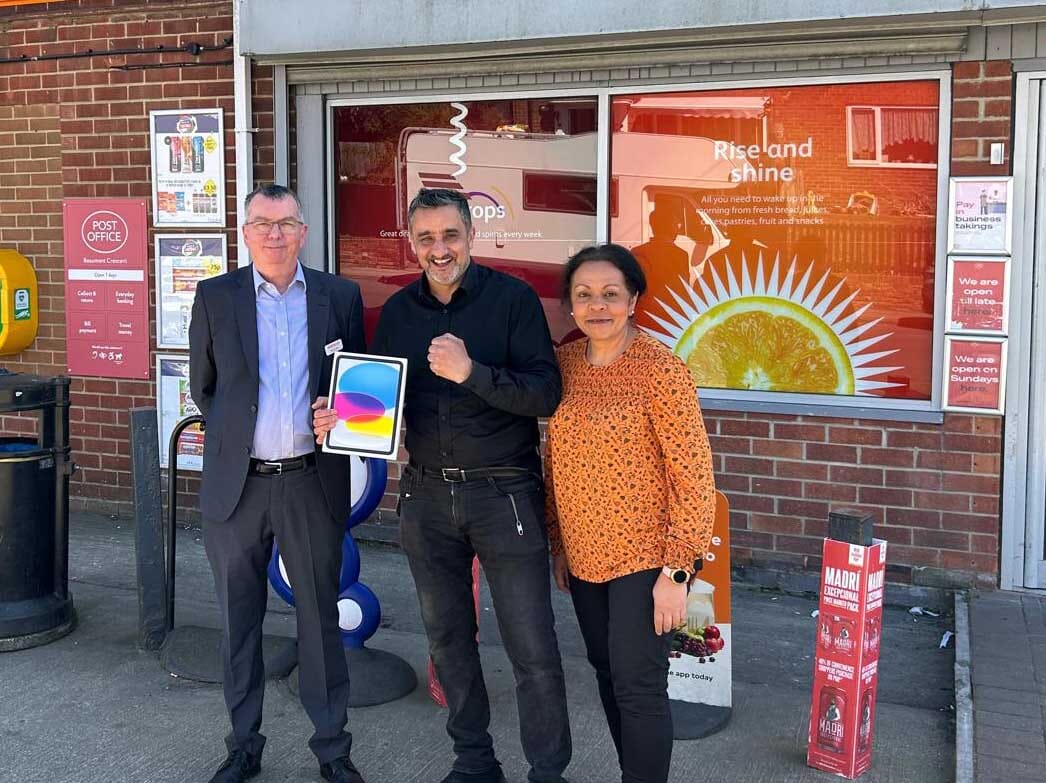
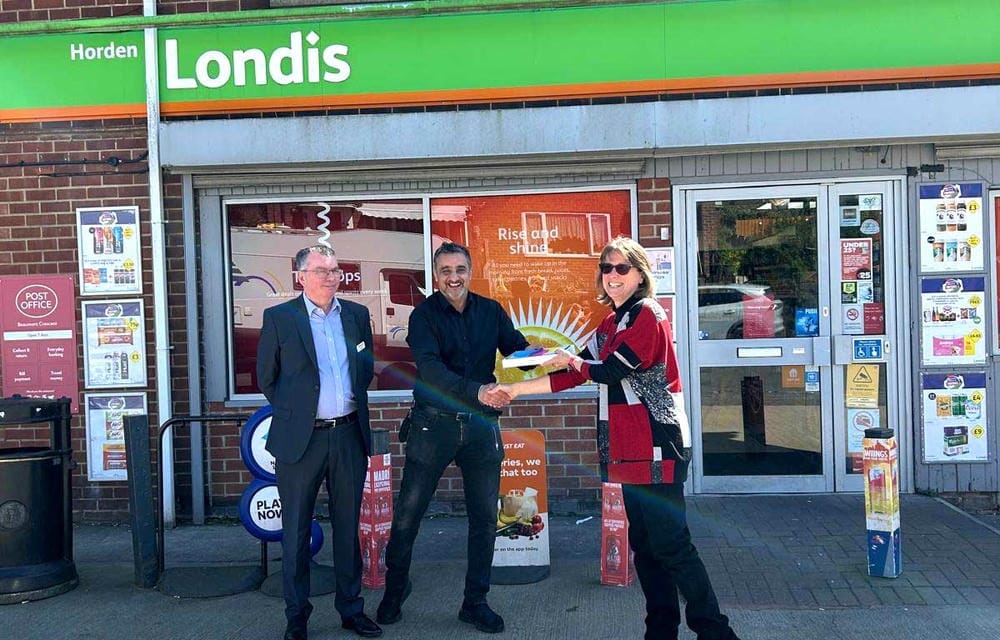
We visited Indajet and Suki Kandola to present them with an Ipad which they won at the ShopMate stand at the Booker Retail Show 2026. Their store is an excellent example of how a store that is integral to its community can thrive.
IPad Winner
We visited Indajet and Suki Kandola to present them with an Ipad which they won at the ShopMate stand at the Booker Retail Show 2026. Their store is an excellent example of how a store that in integral to its community can thrive so we thought you’d like to learn how they do it.
Four Decades at the Heart of the Community
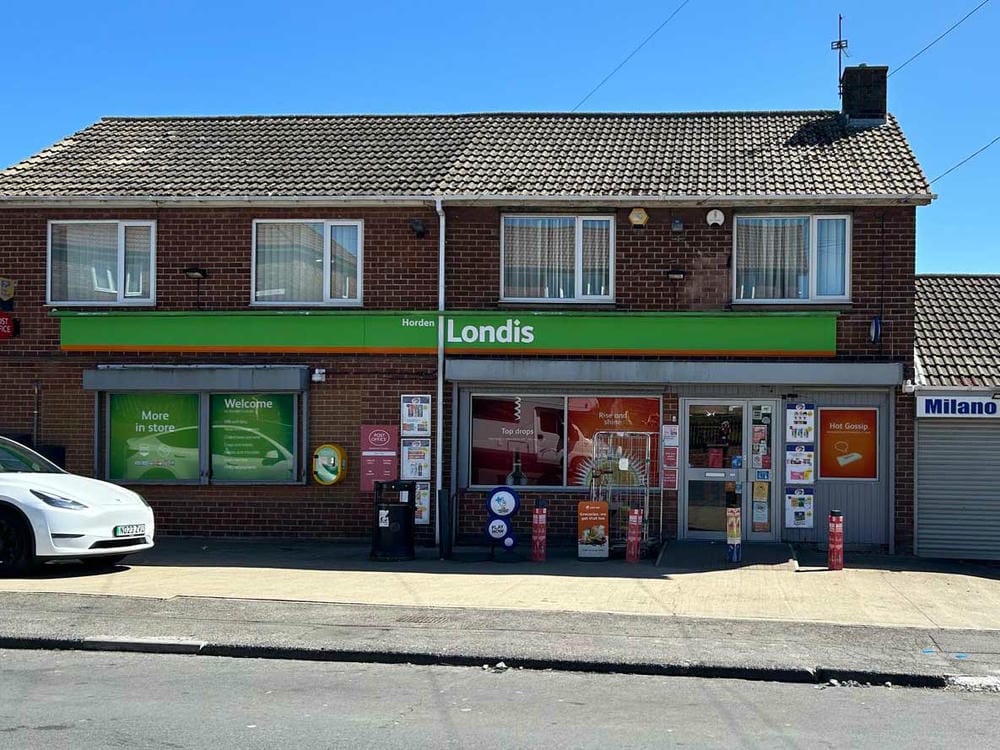
For nearly 40 years, this family-run convenience store has been more than simply a place to buy milk, bread or everyday essentials. In a close-knit rural community built on strong relationships and loyalty, the store has become a trusted part of daily life – something that owners Indajet and Suki Kandola have worked hard to build over generations.
The store itself has a long history. Originally purchased by Indajet’s parents in October 1989, the business quickly became a family effort, with parents, grandparents and children all helping to grow it over the years. Suki joined the business after marrying into the family in 1994, and these days their two sons continue to help during university holidays and weekends.
Today, Suki oversees the day-to-day running of the store alongside a dedicated team of three staff members. Loyalty clearly extends beyond customers too, with one employee having been with the business for 18 years and another for 11 years.
Understanding a Community
Located in a heavily residential ex-mining area, the store serves a community that has retained its strong local identity despite significant changes over the years. The local pit closed in 1987 and was later replaced by employment opportunities such as the Nissan factory and other local businesses, but the strong community spirit remains from the area’s mining past.
That connection with local residents is central to how the business operates. “This is a community shop first and foremost,” explains Suki. “We’ve been part of local life for so long that we understand what people need and what matters to them.”
With no nearby competing convenience stores, the shop has become a vital service for local residents. A nearby primary school also influences buying habits, while the customer base largely reflects the area’s lower-income demographic.
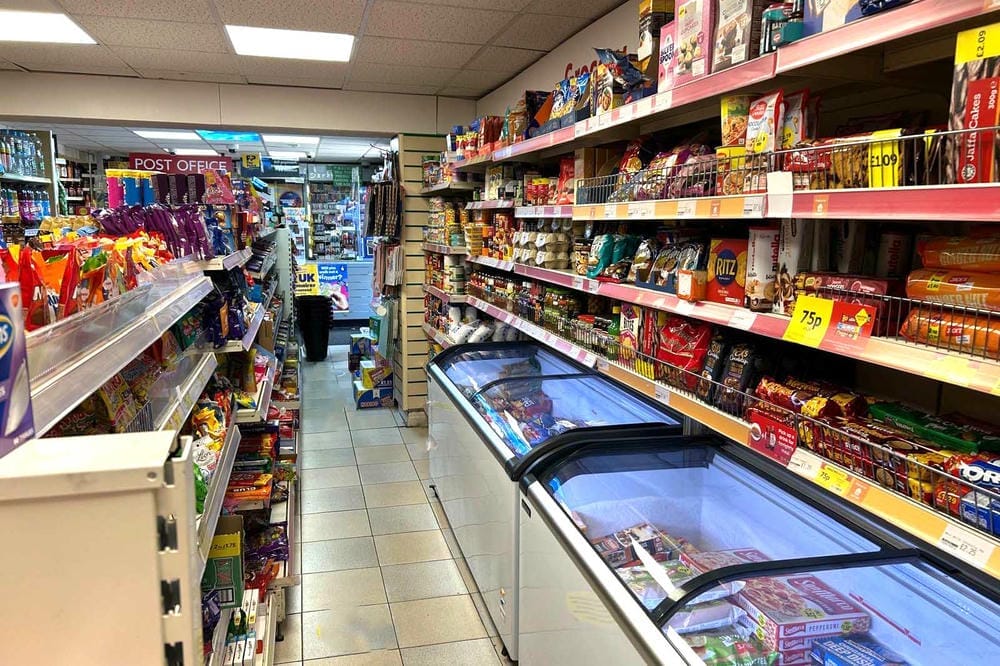
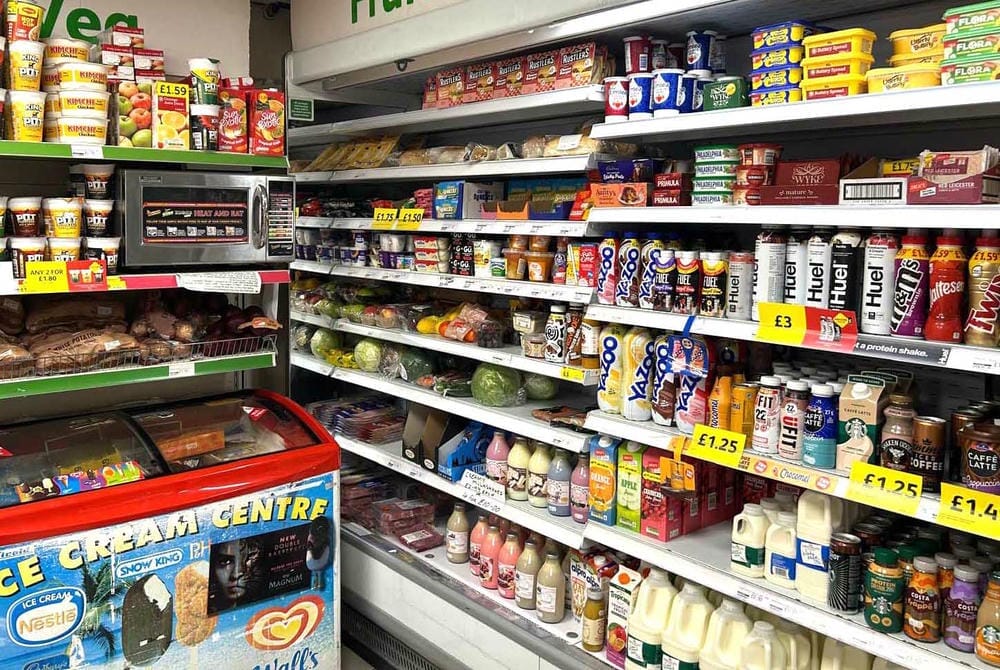
Understanding customers means stocking products that genuinely matter to them. Beer, lager and alcohol remain some of the strongest categories in the store, while confectionery continues to be a key grocery seller. Soft drinks and food-to-go products, including sandwiches and pies from a local bakery, also perform strongly. Vapes in particular have become a major growth category over recent years. “There has been a huge increase over the last three to four years,” says Suki.
Local Knowledge Matters
When it comes to purchasing decisions, years of experience count. After spending decades serving the same community, Suki relies heavily on local understanding and customer feedback.
“People tell you what they want,” she says. “You learn what works, what your customers enjoy and what they’ll come back for.”
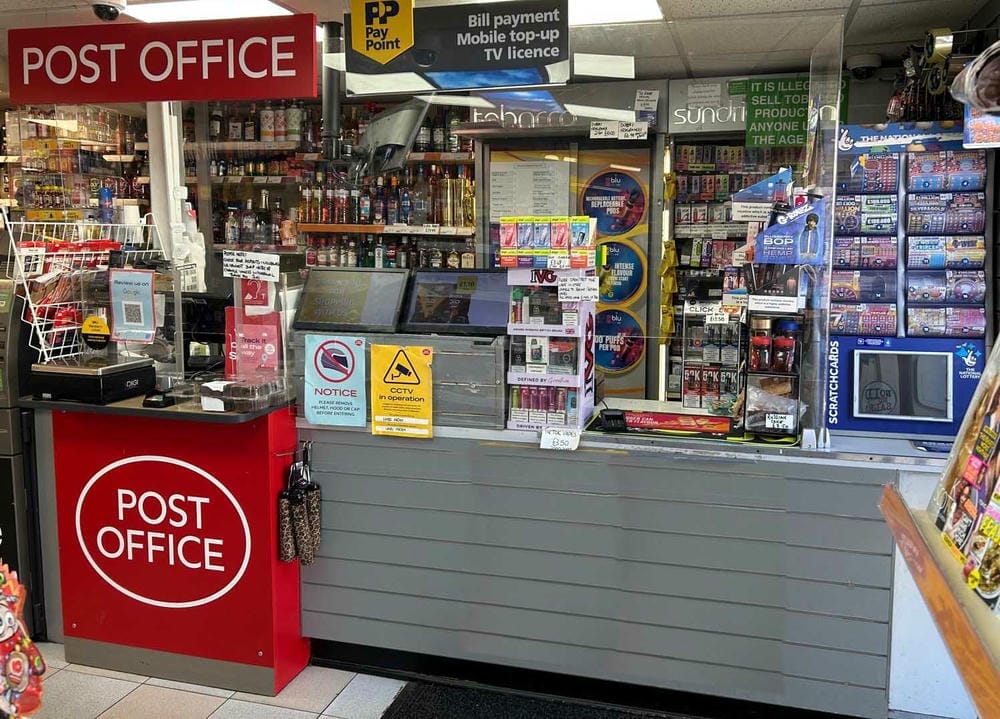
The store also runs wholesaler promotions and uses Facebook to communicate with customers and keep them informed. Soon, the business will expand further by introducing Scoot home delivery, something Suki believes local residents will welcome. Alongside this, the addition of a Post Office five and a half years ago has brought significant benefits.
“Having the Post Office has definitely added value and brought more people into the store,” she explains. “It makes us more prominent and gives customers another reason to visit.”
Using Data to Support Decisions
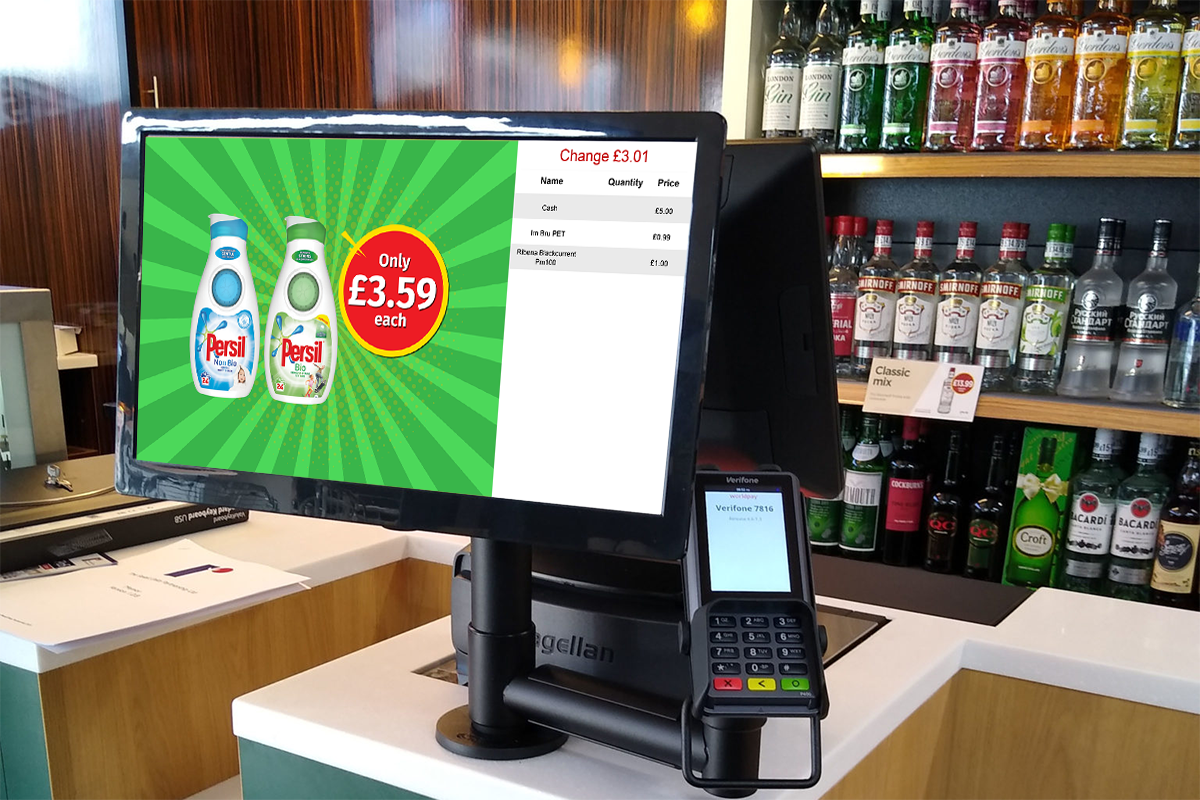
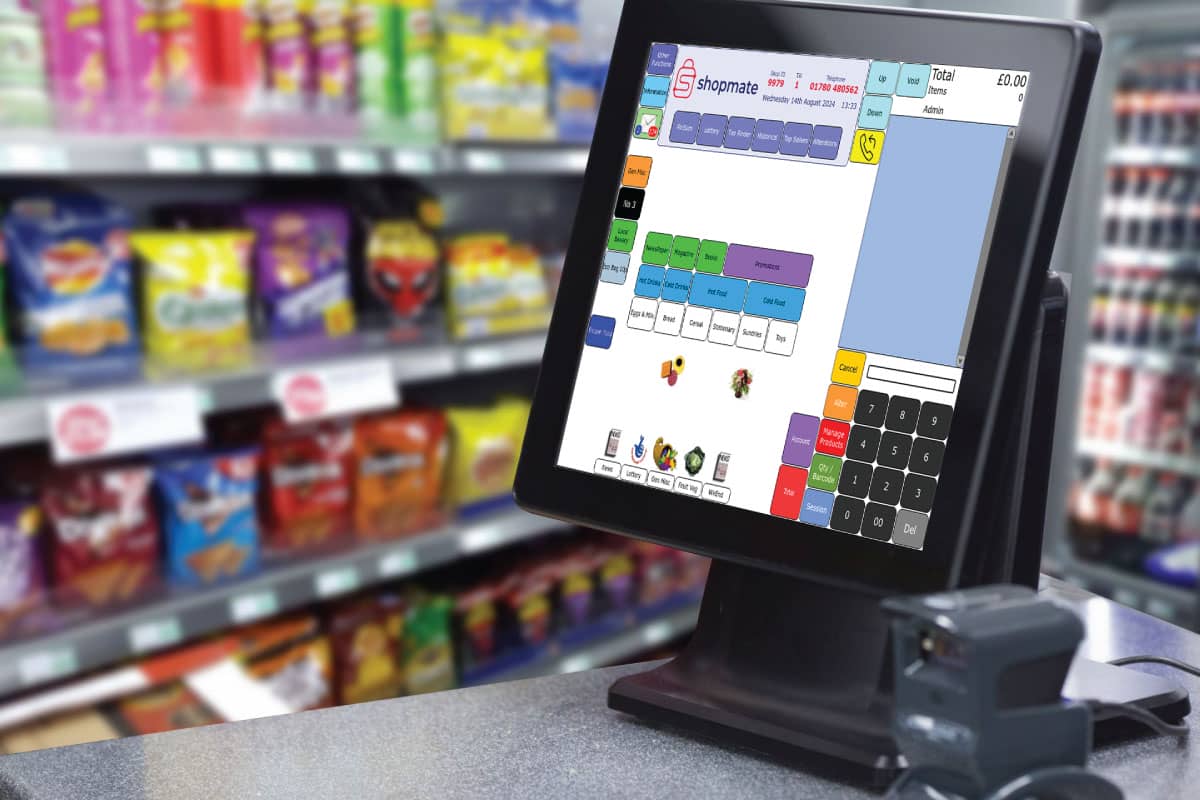
While local knowledge remains important, technology also plays an increasingly valuable role. Suki uses ShopMate extensively to understand how the business is performing and to support purchasing decisions. “The data is important,” she explains.
ShopMate has built in reports: Suki uses Top/Slow Sellers report to help identify what customers are buying and where improvements can be made to the products on offer. The insights help keep a close eye on stock movement and allow purchasing decisions to be backed up by real information rather than assumptions.
Suki also regularly checks the Footfall report, to understand customer numbers and basket spend. This report can help you understand the busiest times of day and plan staffing around that.
Suki uses Memor and Back Office to manage stock and place wholesaler orders.
Built on Relationships
Strong relationships have played a major part in the store’s success. The business has worked with Londis since July 1999 and values the support and consistency that partnership has provided.
“Having that relationship with our RDM Graham Tinkler has been a real foundation for the business,” says Suki. “If we ever need anything, we know support is there.”
Ultimately, Suki believes success in convenience retailing comes back to something much simpler.
“You have to enjoy what you do,” she says. “If you’re not happy being a shopkeeper, it will show in your business.”
Suki’s advice to other retailers is straightforward:
“Take pride in what you do, understand your community and listen to your customers. Work hard on your staff relationships and find partners who genuinely support your business.”
After almost four decades at the centre of local life, it’s a formula that continues to work.